Rayan Farouk
In healthcare, documentation is more than an administrative task—it is the foundation of safe, effective, and continuous patient care. Electronic Medical Records (EMRs) have transformed how healthcare professionals capture, store, and access information, and at the heart of every EMR lies one critical element: notes. From clinical observations to financial remarks and even personal preferences, notes create a comprehensive narrative of a patient’s journey. Without structured and meaningful notes, an EMR becomes little more than a digital filing cabinet.
Understanding the importance of different types of notes and why they are essential helps clinics, hospitals, and practitioners deliver better outcomes while maintaining efficiency, compliance, and trust.
Clinical Visit Notes: Capturing the Core of Care
Visit clinical notes are the most fundamental type of documentation in an EMR. They record the patient’s chief complaint, symptoms, examination findings, diagnosis, and clinical decisions made during a visit. These notes serve as a legal and medical record of what occurred, why decisions were made, and how care was delivered.
Accurate clinical notes ensure continuity of care, especially when patients see multiple providers. They allow clinicians to quickly understand a patient’s medical history, avoid unnecessary repetition, and make informed decisions. Incomplete or vague clinical notes can lead to misinterpretation, delayed treatment, or medical errors, making their accuracy and clarity non-negotiable.
Appointment Notes: Context Beyond the Diagnosis
Appointment notes add essential context to patient encounters. They may include the purpose of the visit, patient concerns expressed before or during the appointment, no-show reasons, follow-up requirements, or special accommodations.
These notes help administrative and clinical teams stay aligned. For example, understanding why a patient missed an appointment or requested rescheduling can improve future scheduling decisions and patient communication. Appointment notes also help reduce friction, ensuring that each visit is prepared for and productive.
Treatment Plan Notes: Turning Decisions Into Strategy
Treatment plan notes outline the agreed-upon course of care. They document recommended procedures, medications, therapies, timelines, and patient consent. These notes transform clinical assessments into actionable plans.
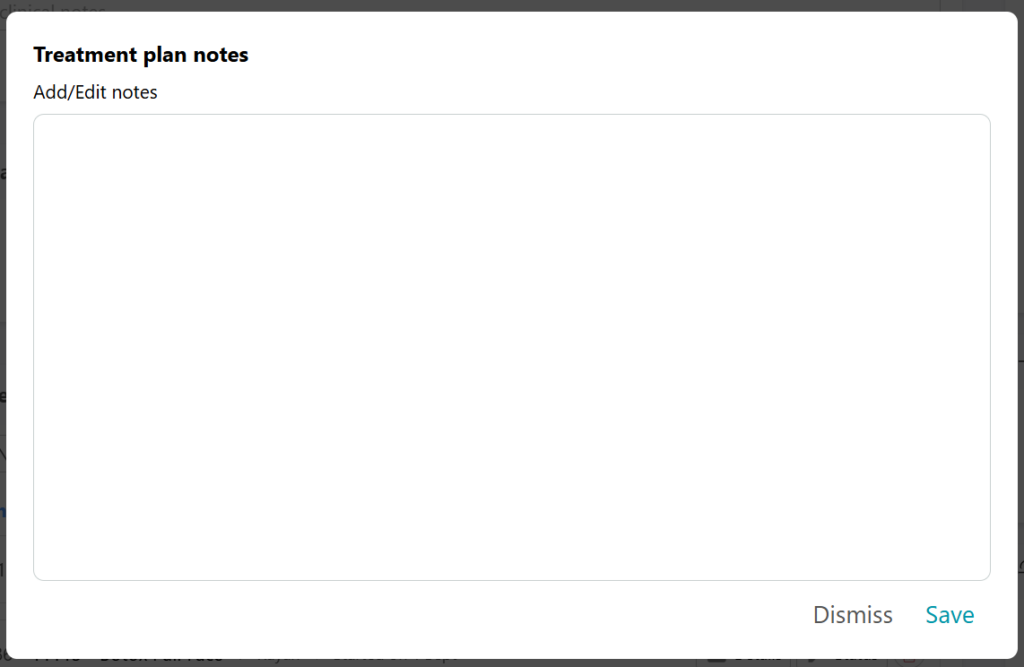
Clear treatment plan documentation ensures that both the healthcare provider and the patient are aligned on expectations. It also supports accountability—allowing providers to track whether the plan is being followed and adjusted when needed. In multidisciplinary settings, treatment plan notes ensure all care team members are working toward the same goals.
Treatment Progress Notes: Measuring What Matters
Progress notes track how a patient responds to treatment over time. They document improvements, setbacks, patient feedback, and any modifications made to the original plan.
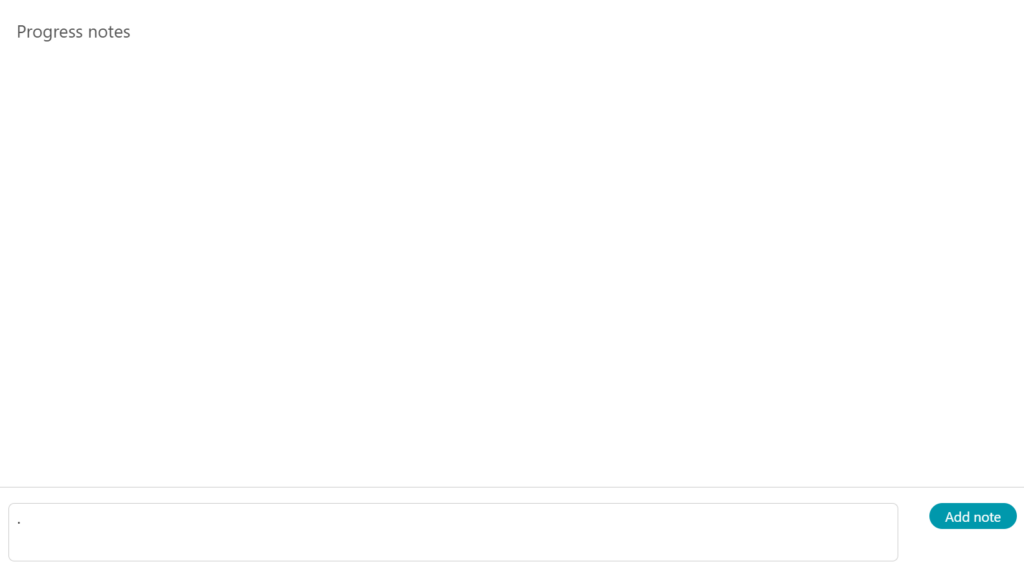
These notes are vital for evaluating treatment effectiveness and making evidence-based adjustments. They also help justify clinical decisions, particularly when outcomes differ from expectations. For long-term care, rehabilitation, mental health, or chronic disease management, progress notes tell the ongoing story of care and improvement.
Financial Notes: Transparency and Operational Clarity
Financial notes are often overlooked, yet they play a crucial role in healthcare operations. These notes may include payment agreements, insurance discussions, outstanding balances, discounts, or special billing considerations.
Proper financial documentation helps prevent misunderstandings with patients, reduces disputes, and supports accurate billing and audits. When financial notes are linked to clinical and treatment data, clinics can ensure that services provided align with charges applied, protecting both the patient and the organization.
Personal Notes: Humanizing Healthcare
Personal notes capture non-clinical details that enhance the patient experience. These may include communication preferences, anxiety triggers, family circumstances, cultural considerations, or lifestyle factors that influence care.
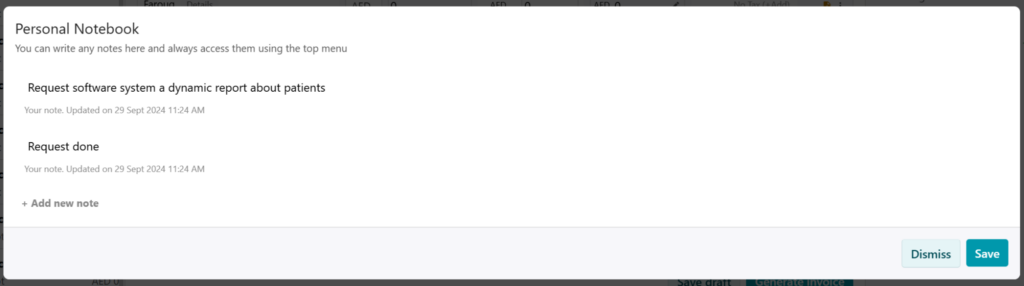
While personal notes must be handled with sensitivity and professionalism, they allow healthcare providers to deliver more personalized and empathetic care. Remembering that a patient is nervous about procedures or prefers a certain communication style can significantly improve trust, compliance, and satisfaction.
Why Notes Are a Critical Need in EMRs
The need for comprehensive note-taking in EMRs extends beyond record-keeping. Notes serve multiple essential purposes:
- Continuity of care: Notes ensure seamless transitions between providers, departments, and visits.
- Clinical decision support: Well-documented histories and progress enable safer, faster, and more informed decisions.
- Legal protection: Accurate notes provide evidence of care delivered, decisions made, and patient consent.
- Operational efficiency: Clear documentation reduces duplication, confusion, and administrative back-and-forth.
- Regulatory compliance: Many healthcare regulations require detailed and auditable documentation.
- Patient trust: Patients feel more confident when their concerns, progress, and preferences are clearly documented and respected.
Without structured notes, critical information can be lost, misinterpreted, or forgotten, leading to compromised care and increased risk.
The Value of Structured and Flexible Documentation
An effective EMR supports multiple types of notes while allowing flexibility in how providers document care. Structured fields ensure consistency and completeness, while free-text sections allow clinicians to capture nuance and professional judgment.
The goal is not to burden providers with excessive documentation, but to enable meaningful, accurate, and efficient note-taking that supports both clinical excellence and operational sustainability.
Notes are the backbone of any EMR system. They transform individual interactions into a coherent, reliable, and actionable patient record. Clinical, appointment, treatment, progress, financial, and personal notes each play a distinct yet interconnected role in delivering safe, efficient, and patient-centered care.
In a healthcare environment that increasingly relies on data, collaboration, and accountability, the importance of comprehensive and well-maintained notes cannot be overstated. An EMR is only as powerful as the information it holds—and notes are what give that information meaning.
Connect with Us
Ready to embark on this exciting journey? Contact us today:
📍 Dubai, United Arab Emirates – Tel: +971 56 123 6043
📍 Khartoum, Sudan – Tel: +249 91 273 1048
Explore Balsam Medico and discover a world of efficient clinic management at www.balsammedico.com. Together, let’s reduce fines, elevate efficiency, and embrace a new era of dental healthcare.
Join the Balsam Medico newsletter for exclusive content and the latest news. Be the first to view valuable information and updates!