Rayan Farouk
If you run a clinic in the UAE, you are already handling one of the most sensitive types of data there is — patient data. Names, phone numbers, medical histories, diagnoses, insurance details, even appointment records.
Now with the introduction of the UAE Personal Data Protection Law (PDPL), this responsibility is no longer just ethical — it is legal. And here is where many clinics get it wrong.
They assume data privacy is only about IT systems or cybersecurity. In reality, it affects how your clinic operates every single day — from reception to consultation to billing.
So what exactly does PDPL mean for your clinic? Let’s break it down in a practical way.
What is PDPL and why should clinics care?
The UAE Personal Data Protection Law (PDPL) is the country’s first comprehensive data privacy regulation. It sets clear rules on how personal data should be collected, processed, stored, and shared. And most importantly — protected.
For clinics, this is not just another regulation to “be aware of.” It directly affects:
- How you register patients
- How you store medical records
- How you communicate with patients
- How you share data with insurance companies
Healthcare data is classified as sensitive personal data, which means stricter rules apply. That alone makes PDPL one of the most important laws for clinics operating in the UAE today.
What counts as patient data under PDPL?
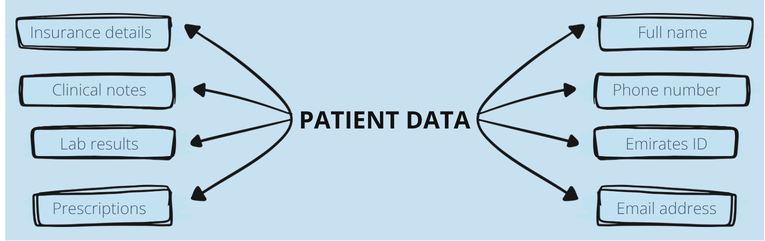
Many clinics underestimate how much data they actually handle. It is not just medical records.
Under PDPL, patient data includes:
And then there is sensitive data, which includes:
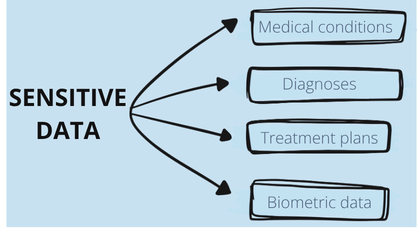
In simple terms — almost everything inside your clinic system is regulated.
This means even something as simple as a WhatsApp message confirming an appointment falls under data protection rules.
The biggest misconception: “We are too small to worry about this”
This is one of the most common mistakes clinic owners make. They assume data laws only apply to large hospitals or chains. That is not how PDPL works. If your clinic collects or processes personal data — which every clinic does — you are required to comply.
In fact, smaller clinics are often at higher risk because:
- Processes are less structured
- Staff wear multiple roles
- Systems are sometimes outdated
- Data is scattered across tools
PDPL does not look at your size. It looks at how you handle data.
How PDPL actually affects your daily operations
This is where things become real. PDPL is not just a legal document — it changes how your clinic should function.
At reception
Your front desk is collecting patient data all day. Under PDPL, this means:
- Patients must know why their data is being collected
- Consent must be clear and documented
- Data should not be collected unnecessarily
For example, asking for extra information “just in case” is no longer acceptable.
During consultation
Doctors and nurses document patient information continuously. PDPL requires that:
- Only relevant medical data is recorded
- Records are accurate and updated
- Access is restricted to authorized staff
Not everyone in the clinic should be able to view every patient record.
Read more: Medical Record Documentation Rules in the UAE: What Every Doctor Must Know
In billing and insurance
Sharing data with insurance providers is a daily activity. But under PDPL:
- Only required data should be shared
- Transfers must be secure
- Third parties must also comply with data protection standards
This means your responsibility does not end when you send the data.
In communication
Reminders, follow-ups, and marketing messages all involve patient data. Clinics must ensure:
- Patients have agreed to receive communication
- Sensitive information is not shared insecurely
- Messaging tools are compliant
Even something as simple as sending patient details through unsecured channels can become a compliance issue.
Consent is no longer just a form
Most clinics already use consent forms. But PDPL raises the standard. Consent must now be clear, specific, informed, and easy to withdraw.
This means:
- No hidden clauses
- No vague language
- No bundling everything into one checkbox
Patients should know exactly what they are agreeing to. And your clinic should be able to prove it.
Patient rights: what clinics need to be ready for
PDPL gives patients more control over their data. This changes expectations. Patients can now request:
- Access to their data
- Corrections to inaccurate records
- Deletion of data (in certain cases)
- Transfer of their data to another provider
This introduces a new operational challenge. Your clinic must be able to:
- Locate patient data quickly
- Update it without errors
- Provide it in a structured format
If your data is disorganized, these requests become difficult to handle.
Data security: where most clinics fall short
Let’s be honest — this is where the biggest gaps usually are. Many clinics rely on:
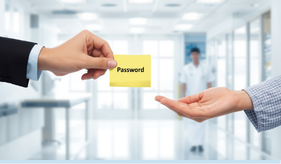
- Shared logins
- Weak passwords
- Unrestricted access
- Manual backups
- Paper records
Under PDPL, this is risky. Clinics are expected to implement proper safeguards such as:
- Role-based access control
- Secure systems with encryption
- Activity tracking (who accessed what)
- Regular backups
Security is no longer optional. It is part of compliance.
What happens if there is a data breach?
Even well-managed clinics can face data breaches. The difference is in how you respond. PDPL requires clinics to:
- Detect and contain the issue quickly
- Assess the impact
- Notify authorities when necessary
- Inform affected patients
- Document everything
Delays or poor handling can increase both legal and reputational damage.
Working with third parties: your responsibility does not end there
Clinics regularly work with insurance companies, labs, software providers, and billing services. Under PDPL, you are still responsible for patient data. This means:
- You must ensure vendors follow proper data protection practices
- Agreements should clearly define responsibilities
- Data sharing should be limited and secure
Choosing the wrong vendor can expose your clinic to unnecessary risk.
Cross-border data: something many clinics overlook
If your system stores data outside the UAE — which many cloud systems do — this matters. PDPL places conditions on transferring data internationally. You must ensure:
- The destination has adequate protection standards
- Or proper safeguards are in place
This is especially important when using international software providers.
Why compliance feels difficult for many clinics
Most clinics do not struggle because PDPL is too complex. They struggle because their operations are not structured around data. Common challenges include:
- Data stored in multiple systems
- Manual processes
- Lack of clear policies
- Limited staff training
- No visibility on who accesses what
Compliance becomes difficult when data is not organized.
A practical way to approach PDPL compliance
Instead of seeing compliance as a one-time task, think of it as improving how your clinic operates. Start with the basics.
Understand your data
Know:
- What data you collect
- Where it is stored
- Who has access
Fix your processes
Update:
- Registration workflows
- Consent collection
- Data sharing procedures
Secure your systems
Implement:
- Access control
- Encryption
- Monitoring
Train your team
Everyone in the clinic plays a role in data protection.
Keep improving
Compliance is ongoing.
Regular reviews are essential.
Where technology makes the biggest difference
Trying to manage all of this manually is where most clinics struggle. This is where the right system changes everything. A modern clinic management system should help you:
- Control who can access data
- Track every action on patient records
- Store data securely
- Manage consent digitally
- Keep everything centralized
Instead of adding more work, it simplifies compliance.
How Balsam Medico helps clinics stay compliant
This is exactly where Balsam Medico fits in. It is not just about managing appointments or billing. It is about building a system where compliance is part of your daily workflow.
- Controlled access
Each user only sees what they need to see.
- Full audit trails
Every action is tracked. You always know who accessed or modified data.
- Secure data handling
Data is stored with strong security measures, including encryption and backups.
No more paper forms or missing records. Everything is documented properly.
- Centralized system
All patient data in one place. No fragmentation. No confusion.
Instead of reacting to compliance requirements, your clinic becomes naturally aligned with them.
The real impact of getting this right
PDPL compliance is not just about avoiding penalties. It changes how your clinic operates. You get:
- Better organized data
- Faster workflows
- Fewer errors
- Stronger patient trust
Patients today are more aware than ever. They expect their data to be handled properly. And when they trust your clinic, they are more likely to return and refer others.
Final thought
Data privacy in healthcare is not going away. If anything, it will only become more important. Clinics that take it seriously now will have a clear advantage. Not just in compliance — but in efficiency, reputation, and long-term growth. Because at the end of the day, protecting patient data is not just a legal requirement. It is part of delivering better care.
Ready to embark on this exciting journey? Contact us today:
📍 Dubai, United Arab Emirates – Tel: +971 56 640 9602
📍 Khartoum, Sudan – Tel: +249 91 273 1048
Explore Balsam Medico and discover a world of efficient clinic management at www.balsammedico.com. Together, let’s reduce fines, elevate efficiency, and embrace a new era of dental healthcare.
Join the Balsam Medico newsletter for exclusive content and the latest news. Be the first to view valuable information and updates!
One last thing..
PS: We built Balsam Medico to be the best software for clinics in UAE and the middle east. It is powerful, flexible, and most importantly, very easy to use.
If you have two minutes, see how it works.
This is the main landing page to learn more.