Rayan Farouk
Opening a medical clinic in Ras Al Khaimah is becoming increasingly attractive for healthcare investors, doctors, and medical entrepreneurs in 2026. The emirate has experienced steady population growth, rising healthcare demand, and increased government support for private healthcare investments. Compared to larger emirates like Dubai and Abu Dhabi, Ras Al Khaimah offers lower operational costs, competitive licensing fees, and growing opportunities for specialized clinics.
Whether you are planning to open a dental clinic, general practice, physiotherapy center, dermatology clinic, or multi-specialty medical center, understanding the licensing and compliance process is critical before you begin.
In this guide, you will learn about the healthcare authority responsible for clinic licensing in Ras Al Khaimah, the approvals and permits required, estimated setup costs, EMR and compliance obligations, and the difference between opening a clinic independently versus hiring a consultancy company.
Why Open a Clinic in Ras Al Khaimah in 2026?
Ras Al Khaimah has emerged as one of the UAE’s fastest-growing healthcare markets. The emirate continues to attract residents, tourists, and investors due to its affordable lifestyle, expanding residential communities, and business-friendly environment.
Healthcare demand is increasing in areas such as:
- Family medicine
- Dental services
- Physiotherapy
- Dermatology and aesthetics
- Pediatrics
- Women’s health
- Chronic disease management
- Home healthcare
Compared to Dubai, clinic setup costs in Ras Al Khaimah are usually lower, especially for rent, staffing, and licensing. This makes RAK an attractive option for healthcare startups and independent practitioners.
Which Authority Regulates Clinics in Ras Al Khaimah?
The primary healthcare licensing authority in Ras Al Khaimah is the Ministry of Health and Prevention (MOHAP). MOHAP regulates healthcare facilities and professional licensing across most Northern Emirates, including Ras Al Khaimah.
In addition to MOHAP, clinic owners will usually coordinate with several other government entities during the setup process. These include the Ras Al Khaimah Department of Economic Development (RAK DED), Ras Al Khaimah Municipality, Civil Defense authorities, and environmental or medical waste management authorities.
Your clinic cannot legally begin operations until all required approvals are completed.
Step-by-Step Process to Open a Clinic in Ras Al Khaimah
1. Decide Your Clinic Activity
The first step is selecting the healthcare activity your clinic will provide. This may include a general medical clinic, dental clinic, physiotherapy center, dermatology clinic, diagnostic laboratory, or specialized medical center.
Your chosen activity affects licensing requirements, staffing standards, insurance approvals, and even the clinic’s engineering layout. Certain specialties may require additional approvals or stricter facility standards depending on the services provided.
2. Choose Between Mainland or Free Zone Setup
Most healthcare facilities operate under mainland licensing through RAK DED because patient-facing medical activities usually require direct healthcare authority approvals.
Ras Al Khaimah also offers free zone solutions through Ras Al Khaimah Economic Zone (RAKEZ), which supports healthcare-related businesses and health-tech activities.
However, clinical services involving patient treatment often require MOHAP oversight regardless of the business structure. Before choosing between mainland or free zone, it is important to confirm whether your intended healthcare activity is eligible.
3. Reserve a Trade Name and Obtain Initial Approval
The next stage involves registering your business activity through the Ras Al Khaimah Department of Economic Development. This includes trade name reservation, initial business approval, and commercial activity registration.
RAK DED generally requires owners to submit passport copies, Emirates IDs, tenancy contracts, and any external approvals related to healthcare activities.
At this stage, investors also finalize ownership structure, legal entity type, shareholder arrangements, and the appointment of the clinic manager or medical director.
4. Secure a Clinic Location
Choosing the right clinic location is one of the most important decisions during the setup process. The facility must comply with MOHAP and municipality standards related to room dimensions, accessibility, parking, infection control, fire safety, and medical waste handling.
Many investors hire healthcare engineering consultants before signing a lease to ensure the property can pass healthcare inspections. One of the most common and expensive mistakes clinic owners make is renting a location that later fails compliance requirements.
Documents Required to Open a Clinic in Ras Al Khaimah
The required documents may vary depending on clinic type and ownership structure, but generally include:
Personal and Corporate Documents
- Passport copies of owners and partners
- Emirates ID copies
- Visa copies
- Passport-sized photographs
- Trade name reservation certificate
- Initial approval certificate
- Memorandum of Association (MOA)
- Tenancy contract
- Ejari or municipality lease attestation
- Power of Attorney (if applicable)
Healthcare Licensing Documents
- Medical director appointment
- Professional licenses of doctors
- DataFlow verification
- Good standing certificates
- Educational certificates
- Experience certificates
- Clinic floor plan
- Engineering drawings
- Infection control plan
- Medical waste management agreement
MOHAP also requires healthcare facility drawings to comply with approved engineering standards before final approval.

Professional Licensing for Doctors and Medical Staff
Every healthcare professional working inside the clinic must hold a valid MOHAP professional license. This applies to doctors, dentists, nurses, physiotherapists, radiologists, pharmacists, and allied healthcare staff.
The licensing process usually includes primary source verification through DataFlow, Prometric examinations where applicable, credential reviews, and final MOHAP approval.
In 2026, the UAE is continuing efforts toward a unified healthcare licensing platform aimed at simplifying licensing procedures across emirates.
MOHAP Clinic Inspection Process
Before receiving the final healthcare facility license, your clinic must pass a MOHAP inspection.
Inspectors typically verify:
- Room dimensions
- Sterilization standards
- Infection control measures
- Emergency equipment
- Staff licensing
- Waste management
- Fire safety systems
- Medical record procedures
- EMR implementation
Failure to meet standards may result in delays, penalties, or reinspection requirements.
EMR Requirements for Clinics in Ras Al Khaimah
One of the most important operational requirements in 2026 is implementing a compliant Electronic Medical Record (EMR) system.
Healthcare facilities in the UAE are expected to maintain secure and accurate digital medical records.
Your EMR should support:
- Patient registration
- Appointment scheduling
- Clinical documentation
- Insurance eligibility verification
- E-prescriptions
- ICD and CPT coding
- Claims submission
- Audit logs
- Data security
- Backup and recovery systems
For clinics handling insurance patients, integration with insurance claim systems is essential.
Compliance Requirements You Must Follow
Healthcare compliance extends beyond obtaining the initial clinic license. Healthcare facilities are expected to continuously maintain patient confidentiality, infection control standards, proper insurance billing practices, and safe medical waste disposal procedures.
Authorities also expect clinics to monitor staff licensing status and maintain digital records for auditing purposes. Failure to comply with these regulations may lead to fines, claim rejections, license suspension, or legal liability.
As healthcare regulations continue evolving in the UAE, clinic owners are increasingly investing in digital systems and operational workflows that improve compliance management.
Estimated Cost of Opening a Clinic in Ras Al Khaimah in 2026
The total investment required depends on clinic size, specialty, location, staffing, and fit-out quality. A small single-specialty clinic may require an investment starting from AED 300,000 to AED 600,000, while larger medical centers can exceed AED 1 million.
Key expenses typically include trade licensing, MOHAP approvals, professional licensing, clinic rent, interior fit-out, medical equipment, EMR software, insurance registration, and branding or marketing costs.
| Expense | Estimated Cost (AED) |
| Trade license and approvals | 10,000 – 25,000 |
| MOHAP facility licensing | 15,000 – 40,000 |
| Medical staff licensing | 3,000 – 10,000 per staff |
| Clinic rent | 50,000 – 250,000 annually |
| Fit-out and interior design | 150,000 – 600,000 |
| Medical equipment | 80,000 – 500,000+ |
| EMR software | 10,000 – 60,000 annually |
| Insurance and legal fees | 10,000 – 30,000 |
| Marketing and branding | 5,000 – 50,000 |
Proper financial planning is essential because many clinics require several months before reaching stable profitability.
Opening a Clinic Yourself vs Hiring a Consultancy Company
One of the biggest decisions healthcare investors face is whether to manage the setup independently or hire a healthcare consultancy company.
Option 1: Doing It Yourself
Handling the licensing process independently can reduce upfront expenses, particularly consultancy fees. Investors who choose this route usually communicate directly with authorities, manage documentation, coordinate inspections, and oversee approvals themselves.
While this option may save approximately AED 15,000 to AED 60,000 depending on the project size, it also requires significant time and familiarity with healthcare regulations. Errors in paperwork or engineering approvals can result in delays that sometimes become more expensive than the initial consultancy savings.
Option 2: Hiring a Healthcare Consultancy Company
Many healthcare investors prefer working with consultancy companies that specialize in clinic setup and licensing. These companies often manage MOHAP applications, engineering approvals, staff licensing, DataFlow verification, inspection preparation, and insurance registration.
The main advantage is faster processing and reduced administrative stress. Experienced consultants also understand common regulatory issues and can help avoid costly compliance mistakes.
However, consultancy services increase startup costs, and service quality may vary between providers.
Estimated consultancy fees in 2026 may range from AED 8,000 for basic business setup support to over AED 120,000 for full turnkey clinic setup solutions that include licensing, design, fit-out, staffing, insurance contracting, and EMR implementation.
| Service | Estimated Fee (AED) |
| Basic business setup assistance | 8,000 – 20,000 |
| Healthcare licensing support | 15,000 – 40,000 |
| Full turnkey clinic setup | 40,000 – 120,000+ |

Common Mistakes Clinic Owners Make
One of the most common mistakes investors make is renting a clinic space before confirming healthcare compliance requirements. A location that appears suitable commercially may fail MOHAP engineering or facility standards.
Another major issue is underestimating fit-out and operational costs. Medical facilities require specialized construction, infection control measures, and approved infrastructure that often cost significantly more than standard office spaces.
Some clinic owners also delay insurance registration or choose weak EMR systems that later create billing inefficiencies and claim rejection problems. Others fail to properly monitor staff licensing renewals, which can lead to penalties or operational interruptions.
Proper planning and professional guidance can significantly reduce these risks.
Insurance and Revenue Cycle Setup
If your clinic plans to treat insured patients, you must register with insurance companies and third-party administrators (TPAs).
This process includes:
- Contract negotiations
- Pricing agreements
- Coding setup
- Claims testing
- Eligibility verification workflows
Your front desk and billing team must understand:
- Insurance eligibility checks
- Pre-authorization procedures
- ICD coding
- Claim resubmissions
- Reconciliation processes
Without proper insurance workflows, clinics may face delayed payments and claim rejections.
How Long Does It Take to Open a Clinic in Ras Al Khaimah?
The timeline varies depending on:
- Clinic type
- Engineering approvals
- Staff licensing
- Fit-out completion
- Inspection readiness
Typical timelines in 2026 are:
| Process | Estimated Timeline |
| Trade license setup | 1–3 weeks |
| MOHAP initial approval | 2–6 weeks |
| Clinic fit-out | 1–4 months |
| Professional licensing | 1–3 months |
| Final inspection and approval | 2–4 weeks |
Most clinics require approximately 3 to 6 months from planning to operation.
Is Ras Al Khaimah a Good Place for Healthcare Investment?
For many healthcare investors, the answer is yes.
Ras Al Khaimah offers:
- Lower operating costs
- Growing population
- Expanding residential communities
- Lower competition than Dubai
- Government support for economic growth
- Increasing healthcare demand
Healthcare remains one of the emirate’s growing economic sectors, especially for specialized outpatient services.
Clinics that combine good patient experience, proper insurance workflows, strong compliance, and modern EMR systems are well-positioned for long-term success.
Final Thoughts
Opening a clinic in Ras Al Khaimah in 2026 can be a highly rewarding investment, but success depends on proper planning, licensing, compliance, and operational readiness.
The process involves coordination with multiple government authorities including Ministry of Health and Prevention and Ras Al Khaimah Department of Economic Development. From trade licensing and MOHAP approvals to EMR implementation and insurance onboarding, every step requires careful attention.
Investors can choose to manage the process independently to reduce costs or hire specialized healthcare consultancy firms for faster and smoother execution.
Whichever approach you choose, prioritizing compliance, digital infrastructure, patient experience, and financial planning will help your clinic operate successfully in the UAE’s evolving healthcare sector.
For healthcare entrepreneurs looking for lower setup costs and long-term growth opportunities, Ras Al Khaimah remains one of the UAE’s most promising emirates for clinic investment in 2026.
Connect with Us
Ready to embark on this exciting journey? Contact us today:
📍 Dubai, United Arab Emirates – Tel: +971 56 640 9602
📍 Khartoum, Sudan – Tel: +249 91 273 1048
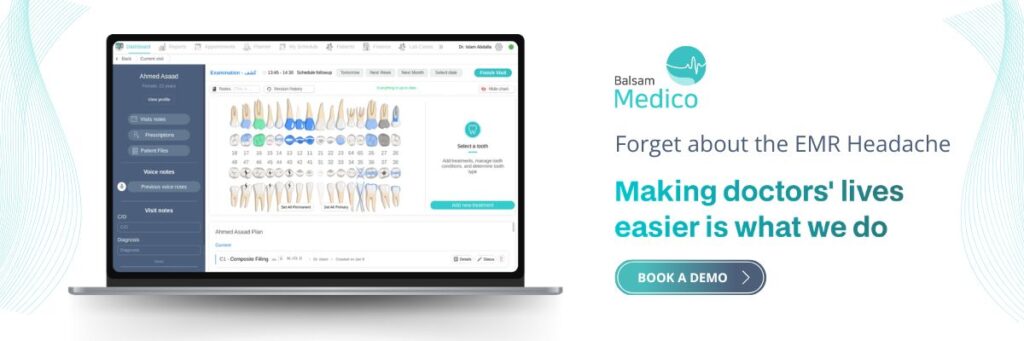
Explore Balsam Medico and discover a world of efficient clinic management at www.balsammedico.com. Together, let’s reduce fines, elevate efficiency, and embrace a new era of dental healthcare.
Join the Balsam Medico newsletter for exclusive content and the latest news. Be the first to view valuable information and updates!
One last thing..
PS: We built Balsam Medico to be the best software for clinics in UAE and the middle east. It is powerful, flexible, and most importantly, very easy to use.
If you have two minutes, see how it works.
This is the main landing page to learn more.