Rayan Farouk
If you are a clinic in Sharjah, you must have been told to switch to the Sharjah Health Authority (SHA). It might have been all too sudden for you, but the Sharjah Authority have been undergoing this transformation for a while.
Healthcare regulation in the UAE has always been dynamic, evolving to meet international standards, patient expectations, and technological advancement. Each emirate has gradually developed its own regulatory ecosystem—such as Dubai Health Authority in Dubai and Department of Health – Abu Dhabi in Abu Dhabi—creating localized frameworks that align with broader national goals and now its Sharjah’s turn.
Now with the emergence of the Sharjah Health Authority (SHA), a major shift in Sharjah’s clinics is bound to happen. From licensing, compliance, and insurance integration to operational workflows.
Let’s explore what SHA is, why it matters, and why clinics in Sharjah must actively transition to it—not just to remain compliant, but to stay competitive.

Understanding the Sharjah Health Authority (SHA)
The Sharjah Health Authority was established to oversee, regulate, and enhance the healthcare ecosystem within the Emirate of Sharjah. Since its formation, SHA has taken on a central role in shaping healthcare delivery, policy, and quality standards.
It overlooks major mandates such as:
- Licensing healthcare professionals and facilities
- Developing healthcare policies at the emirate level
- Regulating private and public healthcare providers
- Managing health insurance systems
- Overseeing public health initiatives and programs
Unlike previous systems, where Sharjah relied heavily on federal structures such as MOHAP, SHA introduces a fully localized regulatory authority with its own licensing framework and operational guidelines.
Why SHA Was Introduced
Historically, Dubai had its own regulator (DHA), Abu Dhabi had their own regulator (DOH) and the Northern emirates, including Sharjah, relied largely on federal oversight. While it had its ups, it also created inconsistencies in the licensing standards, insurance frameworks and clinical regulations, to name a few.
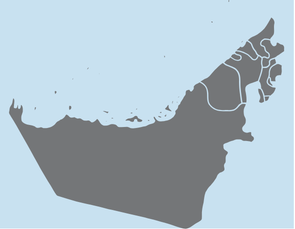
By establishing the Sharjah Health Authority, Sharjah has localized its healthcare governance, improved the regulatory efficiency and enabled faster decision-making. It also plays a key role in strategic initiatives, which aims to attract investment and positions Sharjah as a regional healthcare hub.
The Shift from MOHAP to SHA
The biggest change is the transition from federal licensing (MoHAP) to SHA licensing. Previously, clinics in Sharjah operated under MoHAP regulations and the licensing and compliance were handled at a federal level.
Now, SHA issues independent licenses, clinics must comply with Sharjah-specific regulations creating a uniform look and that makes MoHAP licenses are no longer automatically applied.
So if you are a clinic or a healthcare professional in Sharjah, you must transition to SHA to legally operate. SHA has introduced a structured licensing model that includes:
- Initial assessment
- Supervised practice licensing
- Full independent licensing
Why Clinics in Sharjah Must Move to SHA
- It’s a requirement to transition to SHA. Failing to do so will lead to license suspension, financial penalties and, worst-case scenario, operational shutdown. Remember, SHA is now the sole regulatory authority governing healthcare in Sharjah.
- A centralised and standardised licensing system means clearer requirements, faster approvals, a seamless digital application process and reduced ambiguity. The SHA portal allows you to submit applications, track approvals and manage renewals easily.
- SHA has introduced stricter oversight to ensure higher clinical standards regarding patient safety and better healthcare outcomes. This includes professional licensing exams, continuous monitoring, and facility inspections to qualify professionals and ensure that clinics operating within the emirate are compliant.
- The digital transformation of SHA is to build a unified healthcare digital ecosystem. For clinics, this means reduced paperwork, a faster workflow, better data management and an improved reporting accuracy.

Key Changes Clinics Must Prepare For
Licensing Requirements
Clinics must:
- Transfer existing licenses to SHA
- Ensure all staff hold valid SHA licenses
- Maintain updated documentation
Facility Compliance
This includes:
- Infrastructure standards
- Equipment regulations
- Safety protocols
Staff Credentialing
Healthcare professionals must:
- Pass SHA assessments
- Complete verification processes (e.g., DataFlow)
- Maintain continuous education
Digital Compliance
Clinics must adapt to:
- SHA portals
- Electronic submissions
- Digital reporting systems
What SHA Actually Requires from Clinics in Sharjah
To successfully transition to the Sharjah Health Authority, clinics must understand that SHA operates with structured, mandatory requirements across three levels:
- Healthcare Facility Licensing (clinic-level)
- Healthcare Professional Licensing (staff-level)
- Operational & Compliance Requirements
Below is a complete breakdown based on official SHA sources.
1. Healthcare Facility Licensing Requirements (Clinics)
Before opening or transitioning a clinic under SHA, facilities must go through initial approval and final licensing stages.
Initial Approval Requirements
To begin the process, clinics must submit:
- SHA undertaking form
- Passport copies of owners/partners
- Emirates ID of owners/partners
- Proposal letter outlining services
- Power of attorney (if applicable)
- Facility layout / floor plan
These documents are reviewed before SHA grants initial approval to proceed.

Final Licensing Requirements
To obtain a full operational license, clinics must:
- Meet SHA infrastructure and safety standards
- Pass a mandatory inspection
- Submit a stamped facility layout
- Provide waste management registration (WEQAYA)
Only after passing inspection can a clinic legally operate.
Types of Facilities Licensed by SHA
SHA regulates a wide range of healthcare facilities, including:
- General and specialized clinics
- Dental clinics and centers
- Medical centers
- Diagnostic centers (labs & imaging)
- Day surgery centers
- Rehabilitation centers
- Pharmacies
- Homecare facilities
- Alternative medicine centers
- Ambulance services
This shows that all healthcare services in Sharjah fall under SHA authority, making compliance mandatory across the board.
2. Healthcare Professional Licensing Requirements
Every staff member in a clinic must hold a valid SHA license—there are no exceptions.
Core Requirements for All Professionals
To obtain an SHA license, professionals must have:
- Valid passport and UAE residency visa
- Recognized medical or healthcare degree
- DataFlow Primary Source Verification (PSV)
- SHA licensing exam
- Good standing certificate
- Relevant work experience
Mandatory Documents for Final Licensing
Professionals must also submit:
- Academic certificates (degrees, qualifications)
- Experience certificates
- Valid professional license (if previously licensed)
- Certificate of good conduct
- DataFlow PSV report
- Passport copy
- Emirates ID (if available)
- CPR/BLS certification (for clinical roles)
SHA Licensing Process (3-Step Model)
SHA uses a unique staged licensing system:
1. Initial Assessment
Verification of qualifications and eligibility
2. Supervised Practice License
Allows professionals to work under supervision
3. Full Independent License
Granted after successful evaluation
This ensures clinical competency before independent practice.
3. Operational & Compliance Requirements for Clinics
Beyond licensing, SHA enforces strict operational rules that clinics must follow daily.
A. Staff Compliance
- All healthcare workers must hold valid SHA licenses
- No practice is allowed with only initial approval
- Continuous monitoring and credential verification
B. Facility Compliance
Clinics must comply with:
- Approved facility design and layout
- Equipment standards
- Infection control protocols
- Waste management systems (WEQAYA registration)
C. Inspection & Approval
SHA conducts:
- Pre-opening inspections
- Ongoing audits
- Compliance checks
Failure to meet standards can delay licensing or result in penalties.
D. Advertising Regulations
Clinics cannot freely advertise services.
They must:
- Obtain a medical advertisement license from MOHAP
- Submit ads to SHA
- Receive final approval before publishing
E. Digital Licensing & Portal Usage
All applications must be completed via the SHA digital portal, including:
- License applications
- Renewals
- Document uploads
- Tracking approvals
4. Additional Regulatory Requirements Clinics Must Know
No Automatic License Transfer
- MOHAP, DHA, or DOH licenses are not automatically valid in Sharjah
- Clinics and professionals must apply separately for SHA
Unified Healthcare Professional Qualification Requirements (PQR)
SHA follows the UAE-wide PQR framework, which defines:
- Required qualifications
- Experience levels
- Licensing categories
Ownership Rules
- Clinics can be owned by non-UAE nationals
- Owners are not required to be doctors
5. Key Takeaways for Clinics Transitioning to SHA
To summarize, clinics moving to SHA must ensure:
Licensing
- Facility license from SHA
- All staff licensed under SHA
Documentation
- Verified qualifications
- DataFlow PSV completed
- Proper legal documentation
Compliance
- Pass inspections
- Meet facility standards
- Follow advertising and operational rules
Systems
- Use SHA portal for all processes
- Maintain digital records
How Clinics Can Successfully Transition to SHA
1. Conduct a Compliance Audit
Start by reviewing current licenses, staff credentials, and operational workflows. Identify gaps between your current setup and SHA requirements.
2. Prepare Documentation Early
Ensure all required documents are attested, verified, and digitally ready. This includes degrees, experience certificates, and good standing certificates.
3. Train Your Team
Staff should understand SHA regulations, licensing requirements, and operational changes. This reduces errors and improves efficiency.
4. Upgrade Your Clinic Systems
Invest in systems that support digital workflows, insurance integration, and compliance tracking. This is critical for long-term success.
5. Work with Healthcare Consultants
Professional consultants can speed up licensing, reduce errors, and ensure compliance. This is especially useful for larger clinics or multi-branch facilities.
The Cost of Not Transitioning
You might be thinking what’s the harm in not switching and that the switch will take a long time to complete. Unfortunately, clinics that delay moving to SHA risk alot, such as:
- Losing their license
- Facing fines and penalties
- Disrupting operations
- Losing patient trust
Final Thoughts
The rise of the Sharjah Health Authority marks a new chapter for healthcare in Sharjah. For clinics, this transition is not just about compliance—it is about:
- Staying competitive
- Improving patient care
- Embracing digital transformation
- Preparing for future growth
Those who move early and strategically will gain a significant advantage in the evolving healthcare landscape. The message is clear: Clinics in Sharjah should not wait to transition to SHA—the future of healthcare regulation in the emirate is already here.
Ready to embark on this exciting journey? Contact us today:
📍 Dubai, United Arab Emirates – Tel: +971 56 640 9602
📍 Khartoum, Sudan – Tel: +249 91 273 1048
Explore Balsam Medico and discover a world of efficient clinic management at www.balsammedico.com. Together, let’s reduce fines, elevate efficiency, and embrace a new era of dental healthcare.
Join the Balsam Medico newsletter for exclusive content and the latest news. Be the first to view valuable information and updates!
One last thing..
PS: We built Balsam Medico to be the best software for clinics in UAE and the middle east. It is powerful, flexible, and most importantly, very easy to use.
If you have two minutes, see how it works.
This is the main landing page to learn more.